
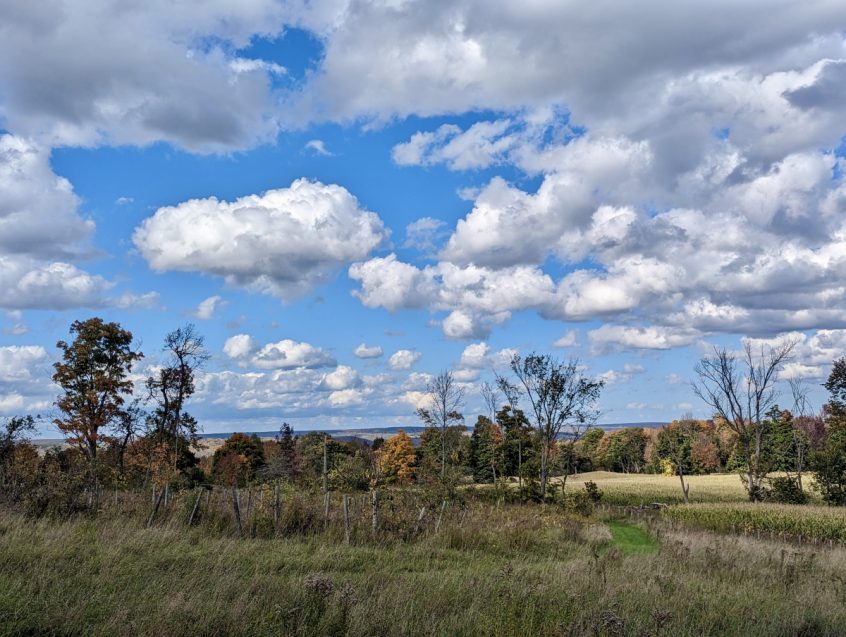
There’s something irresistible about a country property. The winding driveway, sprawling fields, towering trees, a century-old barn and perhaps a spring-fed pond where summer afternoons are spent doing absolutely nothing. It’s the kind of place that makes you want to trade traffic lights for starlight.
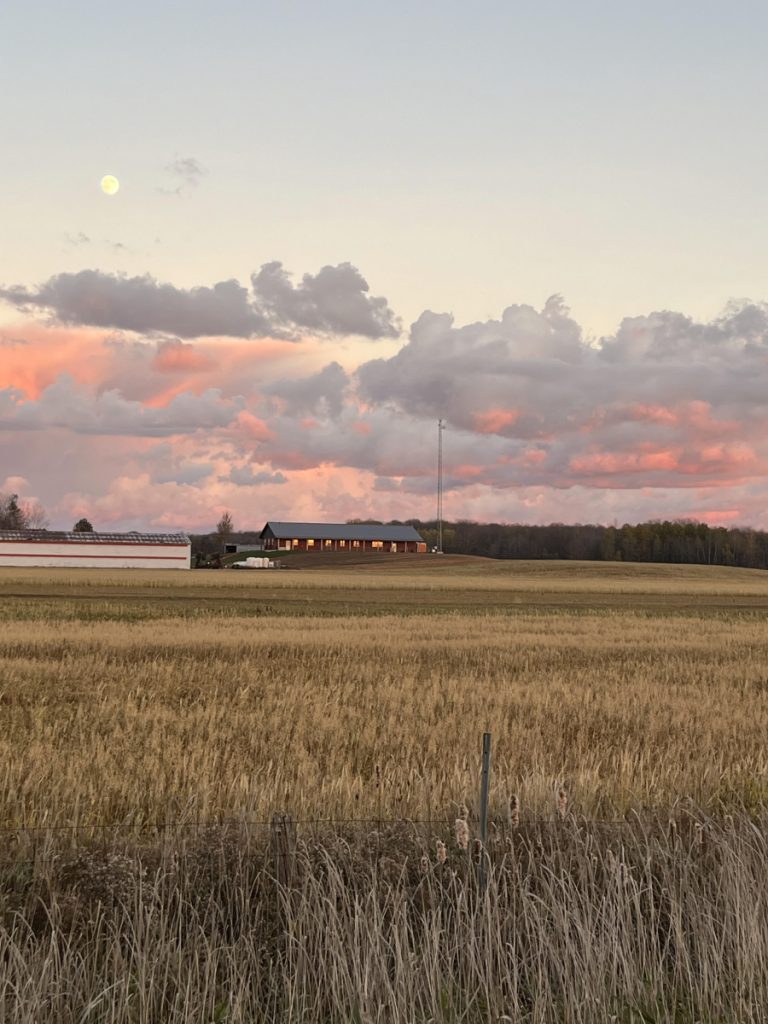
But before you fall hopelessly in love with the scenery, there’s a lot more to consider than the view. Over the years Helen’s Team has helped sell hundreds of acres of farmland. This has not been without challenges. But through due diligence and professionalism we have been able to guide both buyers and sellers in the process.
We know that you are not just buying a house, you are buying the land, the infrastructure, the natural environment and, occasionally, a few mysteries buried beneath the surface. Some are charming. Others can be extraordinarily expensive.
The Water Beneath Your Feet
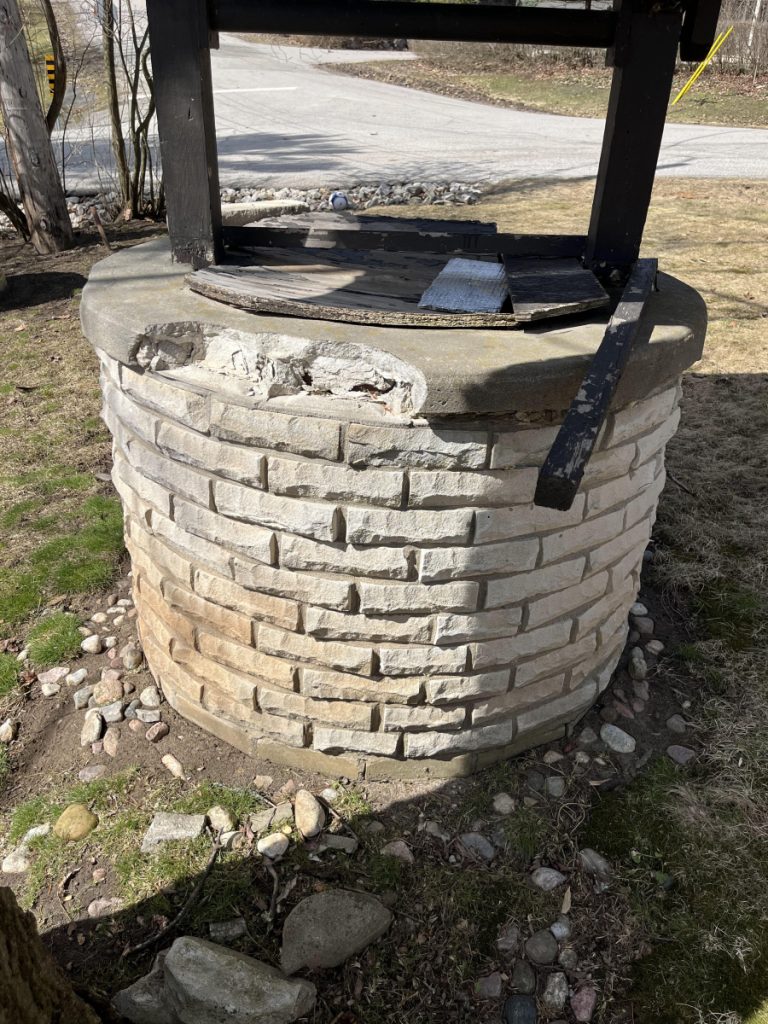
In the country, turning on the tap is a little more complicated. Rural properties rely on private wells, and understanding the water supply is essential.
Is it a drilled well, dug well or spring-fed system? How deep is it? How old is it? More importantly, how much water can it produce, and how quickly, is it potable, does it replenish?
A professional well yield and recovery test can help determine whether the supply is sufficient for your household. Water quality testing is equally important, including bacteria and potential mineral or chemical concerns. Ask about filtration systems, water softeners, pumps and maintenance records.
A hundred-foot well doesn’t necessarily outperform a fifty-foot well. Depth is only part of the story. What matters is reliable, safe water, especially when six people are showering, the laundry is running and someone decides to water the vegetable garden.
Septic Systems: The Less Glamorous Side of Country Living
Nobody falls in love with a septic system, but you’ll certainly notice if it stops working.
Country homes generally rely on private wastewater systems, most commonly a septic tank and leaching bed. Others may have raised beds, advanced treatment systems or holding tanks.
Find out the system’s age, type, capacity and location. Was it professionally installed and approved? When was it last pumped? Has the house been expanded beyond the system’s original design?
An independent septic inspection is essential, with appropriate hydraulic testing where recommended. Remember, septic systems are designed for a particular wastewater load, and adding bedrooms, an accessory dwelling or a bathroom in the barn could require an expensive upgrade.
Sometimes the most important part of a beautiful property is the part you’ll never see.
Twenty Acres of Possibilities. Or Are They?
Acreage can be wonderfully deceiving.
Twenty acres might include ten acres of workable farmland, five acres of forest, three acres of protected wetland and two acres occupied by buildings, driveways and landscaping.
Understand what you’re buying. How much land is workable? Is it tiled for drainage? Are there agricultural leases? What is the soil quality? Are there marshy areas, floodplains or environmentally protected features?
And don’t assume ownership means unlimited freedom.
Zoning and conservation regulations can restrict building, tree removal, grading, zoning restrictions, farming activities and even the creation of trails. That dream of adding a second residence, a riding arena, a workshop or a wedding venue may be possible, but it deserves confirmation from the municipality before the purchase becomes firm.
A property can have all the space in the world and surprisingly little room for your plans.
A Pond Is a Beautiful Thing. Until It Isn’t.
A pond can transform a country property into something extraordinary. But is it spring-fed, supplied by groundwater, or dependent on rainfall and runoff?
Does it maintain its water level through August, or does it need topping up? Is the bottom sandy, clay or thick with sediment? How deep is it, and is it actually suitable for swimming or fishing?
Water circulation matters, too. Fountains, bottom aerators and even windmill-powered systems can improve oxygenation and circulation, although none automatically makes the water safe for swimming. Water quality, algae, runoff and maintenance deserve careful consideration.
And if the pond requires water from a well, investigate whether the well can support that demand and whether approvals are necessary.
That picturesque little pond could be a summer paradise or a rather ambitious landscaping project.
The Forest, the Trails and the Things You Can’t See
Woodlands bring privacy, wildlife and extraordinary natural beauty. They can also conceal seasonal flooding, unstable ground, invasive plants and protected habitats.
Walk the property. Investigate marshy sections, drainage patterns, stream crossings and established trails. Determine whether those trails are private or subject to public access rights or easements. Look for dead trees, sick trees. Buyers may think they are buying a forest but they may be buying an arborists nightmare.
A dry forest floor in September may tell a very different story during the spring thaw.
Conservation and Escarpment (NEC) authority regulations can also affect what you can do on the land, build, clear or alter. Even a seemingly harmless bridge across a creek may require permission.
Nature is magnificent, but she doesn’t always consult your landscaping plans.
Old Barns, Big Dreams and Bigger Questions
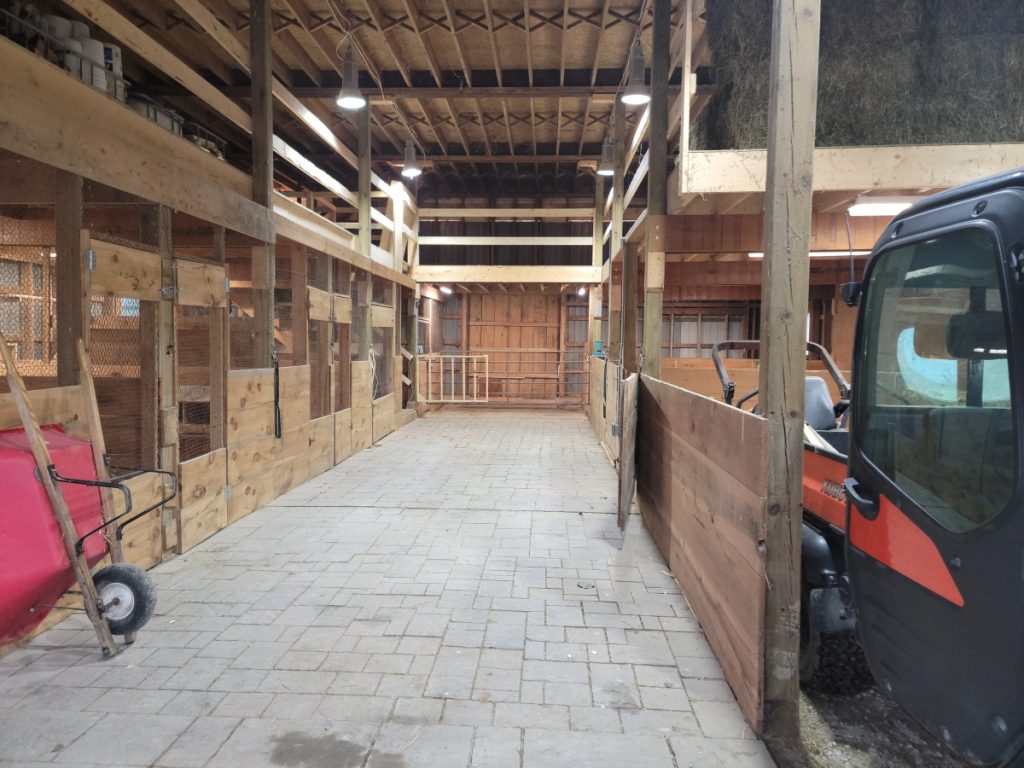
There is something magical about an old timber-frame barn. The craftsmanship, the history, the possibilities!
Before imagining the dinner parties, horses or dream workshop, investigate the foundation, roof, structural beams, floors, electrical service and drainage.
Stone foundations can shift, old roofs can leak and beautiful wooden floors aren’t necessarily engineered to support heavy equipment.
Ask about permitted uses, building approvals and the condition of any additional structures. Converting agricultural buildings into residential or commercial space can involve substantial costs and regulatory hurdles.
A barn can be an extraordinary asset. Just be sure you’re purchasing a building with potential rather than a very photogenic liability.
Country Comforts Come With Country Costs
Rural utilities deserve their own investigation.
Natural gas may not reach the property, making propane, oil, electric heating or geothermal systems common alternatives. Propane tanks may be owned or rented, and underground services can be expensive to install or replace.
Geothermal heating can offer excellent efficiency, while solar panels may help offset electricity costs. But understand the age, maintenance requirements, ownership and actual operating savings of these systems.
A whole-home generator can be invaluable when storms knock out power. Ask what it operates, how it’s fueled and whether it starts automatically.
Inspect electrical capacity, heating equipment, insulation, the roof, foundation and any additions to the house. Older farmhouses can have remarkable character, along with some equally remarkable renovation histories.
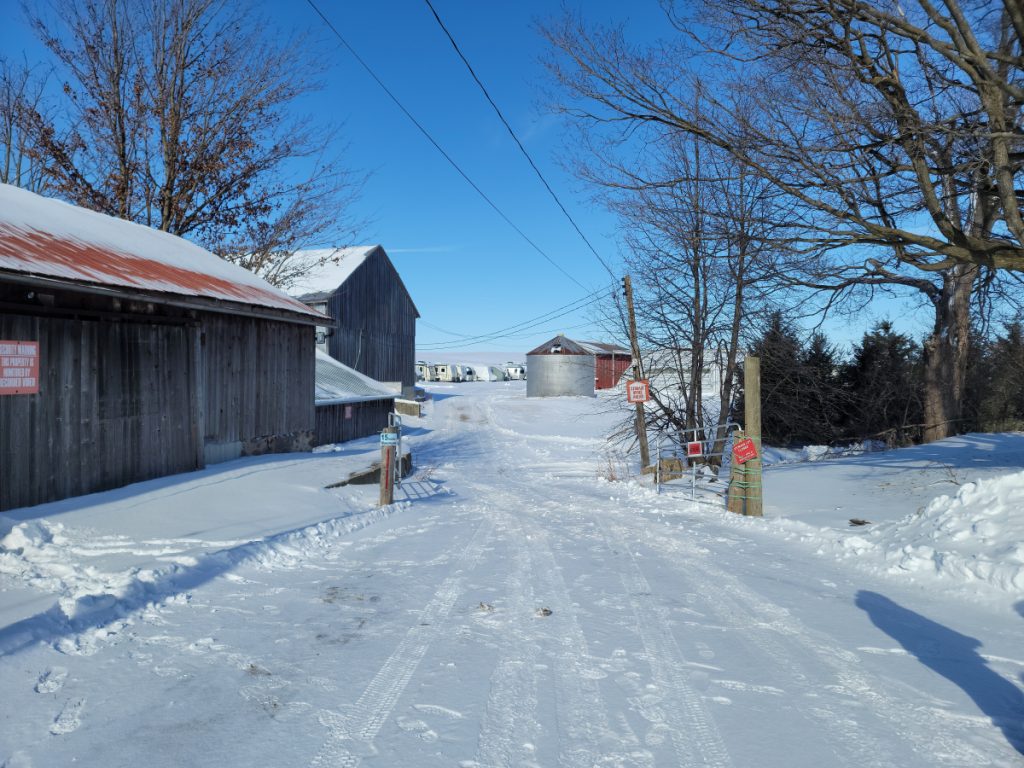
And don’t forget internet access, cell service, snow removal and the condition of a long private driveway. Starlink has been a savior in remote areas. Just make sure you know how to get connectivity.
Request a year’s worth of utility bills. Country living may be priceless, but operating it certainly isn’t.
The Neighbours, the Future and the Fine Print
That spectacular view across the fields might feel timeless, but what happens beyond your property line matters.
Investigate neighbouring zoning, proposed subdivisions, gravel pits, road expansions, agricultural operations and other potential developments. Nearby farmland can mean early-morning machinery, livestock odours and late-night harvesting. It’s part of rural life, and understanding it is important.
Legal due diligence is equally essential. Surveys, easements, rights-of-way, shared driveways, drainage agreements and property boundaries can all affect your enjoyment and future plans.
Ask about abandoned wells, buried fuel tanks, former dump sites, environmental contamination and historical uses of the land.
And consider the financial implications. Property taxes, farm tax classifications, insurance requirements and financing can differ considerably from those of a typical residential property.
Sometimes the most revealing information isn’t found in the listing. It’s found at the township office, in historical records or during a conversation with the neighbour who’s lived there for forty years.
The Real Luxury Is Knowing What You’re Buying
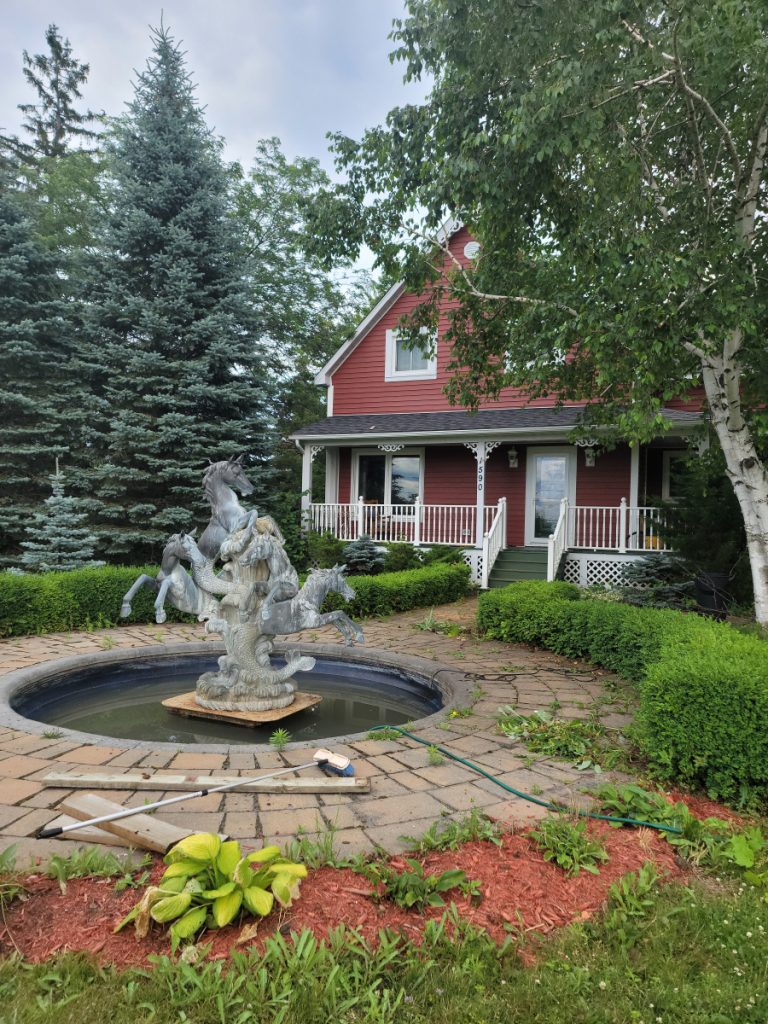
Country living offers something increasingly rare: space, quiet, privacy and the freedom to create a life that feels entirely your own.
But that freedom comes with responsibility. You’re not just maintaining a home. You may be managing a water supply, wastewater system, forest, pond, agricultural land, outbuildings and kilometres of fencing or trails.
The right professionals make all the difference. A knowledgeable Realtor, home inspector, well and septic specialists, surveyor, environmental consultant and municipal planning department can help uncover what isn’t immediately obvious.
A thoughtful offer should allow enough time for the necessary investigations, inspections and approvals. The goal isn’t to eliminate every unknown. It’s to understand the risks before they become yours.
Because the magic of country living isn’t simply owning acres of beautiful land. It’s knowing what those acres hold, what they’re capable of and how they’ll serve you for years to come.
Fall in love with the view. But make sure you understand everything that comes with it.