

Picture this. It’s spring 2025, and you’ve found a nice duplex in Kitchener. You make an offer and, like most buyers that season, you pay somewhere around $800,000 for it. Now fast-forward one year. A buyer walks into the same market and picks up a comparable duplex for about $110,000 less. Same city, same type of property, same two front doors. One buyer simply showed up a year later.
That isn’t a made-up example. I pulled every duplex sold through MLS® across Waterloo Region and Wellington County in spring 2025 and again in spring 2026, and the difference surprised even me. Last spring, 62 duplexes sold at an average of $843,516, and the median sat at $799,500. This spring, 58 sold at an average of $725,204, with a median of just $690,000. That’s a drop of roughly 14% in a single year. In Kitchener alone, the average fell from $856,863 to $720,999, a discount of more than $135,000.
Here’s the part I find most exciting. Last spring, only 13 duplexes sold for under $700,000. This spring, 30 did. More than half of this year’s duplex sales came in below a price that, twelve months ago, would barely get you in the door. Meanwhile, million-dollar duplex sales went from 12 down to just 4. The whole market has moved within reach.
Now let’s talk about my favourite number. At $690,000, the median duplex works out to $345,000 per unit. The median condo apartment in Waterloo Region sold for $360,000 in 2026, according to CREA. Read that again. You can now buy two rentable homes for less per door than a single condo. With a duplex, there are no condo fees, no special assessments, and no board meetings about the lobby carpet colour or the size of the neighbour’s dog.
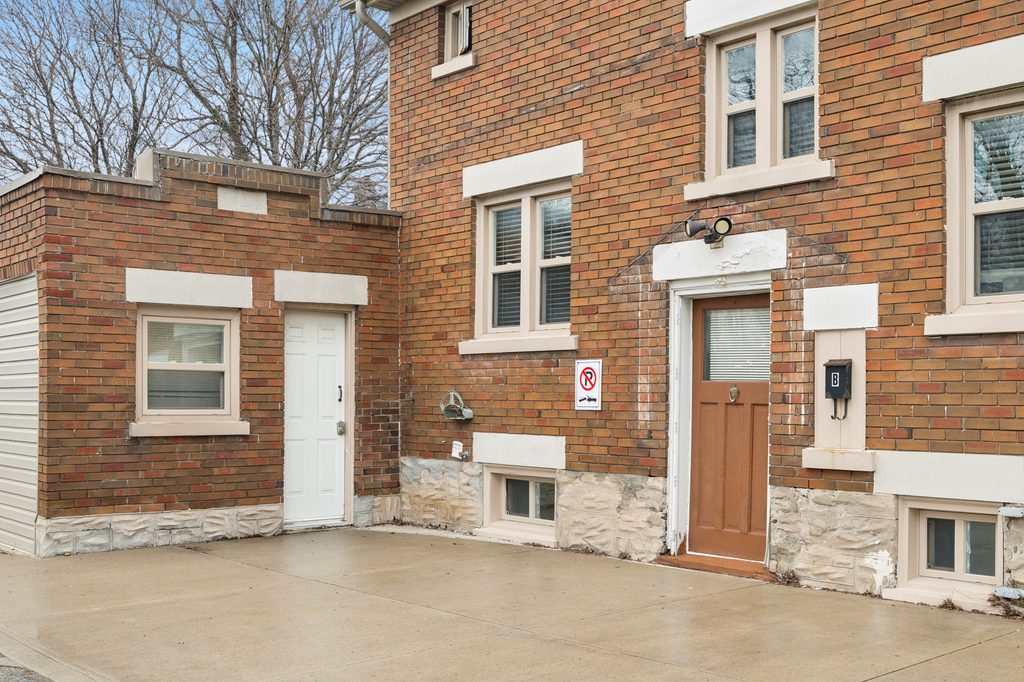
So what can those two rents look like? Let’s keep it simple. Say you rent the main unit for around the Kitchener three-bedroom average of $2,509 a month and the second unit for around the Kitchener median rent of $1,775. That’s about $4,284 a month, or roughly $51,400 a year, before expenses. On a $690,000 purchase, that’s a gross return of about 7.5%. Buy the same duplex at last spring’s median of $799,500 and the same rents give you about 6.4%. A Kitchener condo renting at the local condo average of $1,932 and bought at $360,000 also comes in around 6.4%. Nothing about the rents changed in that comparison. The only thing that changed is what you paid. Every property is different, of course, and mortgage, taxes, insurance and repairs all come out of that number, but the direction is hard to argue with.
There’s also a quieter benefit that every seasoned landlord knows. With two units, a vacancy is an inconvenience, not a crisis. If one tenant moves out, the other is still paying. If one tenant falls behind, you’re not suddenly covering the whole mortgage on your own. In a year when vacancy is higher than it’s been in a long time, that cushion is worth a lot.
Zoom out and the broader market tells the same story. Waterloo Region saw 489 home sales in October 2026, down 14.5% from a year earlier, and 1,025 new listings, down 17.3% (Cornerstone). Inventory sits at 3.7 months of supply, almost double the 10-year July average of 1.92. The overall average sale price was $718,851 in October, down only 1.3% year over year (ViewHomes), and the MLS® Home Price Index for Kitchener-Waterloo was $628,300 in August, down 6% (ViewHomes). Condo apartments fell harder, with the Q1 median at $360,000, down 14.3% (CREA). What jumps out is that duplex prices fell about ten times faster than the overall average price. That’s not a market-wide slump. That’s a specific bargain sitting right in front of investors.
And borrowing is still relatively affordable. Mortgage rates are still well below 5% for a 5 year fixed.
If you’re looking a little further afield, Wellington County is even softer. Royal LePage Royal City’s July 2026 report classifies the county, which includes Guelph, Fergus, Elora, Rockwood, Puslinch and the northern townships, as a buyer’s market. The median sale price in July was $733,000, down 4.34%, and the average was $850,025, down 2.29%. Homes there are taking an average of 44.7 days to sell this year, about eight days longer than last year, and the sales-to-listings ratio is just 35.49%, below the 39% line that marks a balanced market. In plain English, only about one in three listings is selling, which gives buyers real room to negotiate. Guelph had 117 sales in October at a $758,354 average, with a median of 24 days on market (ViewHomes / OnePoint). Guelph is worth a close look for duplex hunters, because rents there run noticeably higher than in Kitchener.
Now, I’m not going to pretend rents are booming, because they aren’t. New-lease rents in Kitchener-Cambridge-Waterloo dipped 2.7% in Q4 2025 (Yardi) and then 5% in Q1 2026, the biggest drop among Canada’s top 12 metro areas (RENX). Apartment vacancy hit 5.9% in Q1 2026 (RENX), and CMHC’s purpose-built vacancy rate was 4.2% in 2025. Kitchener’s median rent is $1,775, down 8% from a year ago (Zumper), while the average asking rent across Kitchener, Waterloo and Cambridge was $2,276 across 546 listings in August (liv.rent). In Guelph, confirmed MLS® leases averaged $2,478 a month in April 2026 across 60 transactions, with condos at $2,461 (RoofUp). That’s down from $2,584 in November 2025, but Guelph condo rents are still about $500 above Kitchener’s $1,932 condo average (RoofUp).
Why did rents soften? Three reasons. A wave of new rental apartments arrived, with regional supply up 2.8% in 2025 according to CMHC. The federal cap on international study permits cut demand around the University of Waterloo and Laurier. And CMHC describes this as one of Ontario’s most tariff-exposed economies because of the auto and parts manufacturing here. Not to mention many residents have moved to other areas looking for lower costs-effective housing.
But here’s why that’s good news for a duplex buyer. Duplex prices fell about 14%, while Kitchener’s median rent fell about 8%. Prices dropped further than rents did, which means every dollar you invest today buys more rental income than it did last spring. You’re paying 2026 prices for 2026 rents, not 2022 prices for 2022 hopes. And most of that new supply is purpose-built apartment towers. A duplex offers something those buildings usually can’t: a house-style home with a yard and room for a family that isn’t ready to buy yet. That kind of rental still commands $2,400 to $2,500 a month.
Compared with the last ten years, this really does look like a low point. Months of supply was 3.9 in July and 3.7 in October, against that 10-year July average of 1.92 (Cornerstone). November 2025 saw 465 home sales, almost 25% below the 10-year November average (CTV News). New listings in 2025 hit 13,872, 15.7% above the 10-year annual average (Cornerstone). And purpose-built rental vacancy in Kitchener-Cambridge-Waterloo reached 3.6% in 2024, the highest since 1993, before climbing to 4.2% in 2025, compared with just 2.3% back in 2015. Rental vacancy hasn’t been this high in more than 30 years.
So why do I think the cycle will turn? The condo pipeline is drying up, and CMHC expects new home construction to decline through 2028. The units flooding the market now were started during the boom years, and there aren’t many replacements coming behind them. Nobody is building new duplexes at today’s prices either, so the existing supply is what it is. The things that hurt demand, like the student cap and tariff worries, came from policy, and policy can change. Rates are already lower, which over time brings buyers back and turns renters into owners. And the basics haven’t gone anywhere. We still have two universities, a strong tech sector and a lot of people looking for a more affordable alternative to the GTA.
Nobody can ring a bell at the exact bottom. But this pattern is a familiar one: too much supply cools prices and rents, construction slows down, and the market tightens again. The best buying opportunities tend to show up when the headlines look the worst. And here’s a hint that some investors have already figured that out. Duplexes sold in an average of 24 days this spring, compared with 35 days last spring. The good ones aren’t sitting around.
Before you buy, it helps to know the local rules, because each city in Waterloo Region now does things a little differently. Waterloo’s Rental Housing Renovation Licence Bylaw came into force on July 1, 2026. If a landlord serves an N13 for renovations, they have to apply for a licence within seven days, either pay rent-gap compensation or arrange temporary housing, and pay a $1,000 moving allowance. Kitchener approved its own Rental Renovation Licensing By-law on April 13, 2026, by a 5-4 vote, and it takes full effect on January 1, 2027, so plan any major renovations with that date in mind. Kitchener’s Lodging House Bylaw has been in effect since January 1, 2025, which means room-by-room rentals need a licence. And in June 2025, Kitchener council decided not to license short-term rentals, while Waterloo does license them.
The good news is that none of these rules touch a regular, long-term tenancy in a duplex that’s kept in good shape. They’re aimed at bad-faith renovictions and unsafe rooming houses. If you rent each unit to one household and keep the place well maintained, you won’t run into any of them. One thing I always recommend, though, is confirming that the second unit is legal with the city before you buy, because many duplex listings don’t say either way.
Finally, let’s talk about the fear that keeps a lot of would-be landlords up at night: the tenant who stops paying. With a duplex, one non-paying tenant doesn’t wipe out all your income. And Ontario has just made it faster to deal with the problem. Bill 60, the Fighting Delays, Building Faster Act, 2025, received Royal Assent on November 27, 2025, and its main rental changes took effect on September 21, 2026. The biggest one for unpaid rent is the N4 notice. Tenants used to get 14 days to pay before a landlord could file with the Landlord and Tenant Board. Now they get 7.
So let’s put it all together. A year ago, the median duplex in our area cost $799,500. Today it’s $690,000. You can buy two rental homes for less per door than one condo, borrowing costs are still low, buyers have room to negotiate, and the province has given landlords faster tools when rent goes unpaid. Markets like this don’t stay this way forever, and the investors who act near the bottom are usually the ones smiling when things turn around.
If you’ve been thinking about your first income property, or adding another one to your portfolio, let’s grab a coffee. I’ll pull the current duplex listings that fit your budget, run the numbers on each one with you, and check that the second unit is legal before you write an offer.
Disclaimer: This article is for general information only and isn’t financial, legal or tax advice. Rental income figures are rough gross estimates based on published rent averages, and actual rents, expenses and returns vary by property. MLS® System data is deemed reliable but not guaranteed.